Renewable Energy Magazine 2026
Dangerous deception…
Welcome to the 16th issue of Energy Ireland’s Renewable Energy Magazine. 2026 has been marked by a world in chaos which has had profound consequences for global energy systems. Russia’s continued imperialism in Ukraine as well as the United States and Israel’s illegal war in Iran shows the volatility and unreliable nature of relying on fossil fuels.
With Iran’s retaliatory closure of the Strait of Hormuz, around 20 per cent of the world’s oil supply was at risk of being cut off from global markets. Before the war, around 21.6 million barrels of oil and petroleum products passed through the Strait every day; in the second quarter of 2026, that had fallen to just 4.9 million barrels per day. LNG flows through the Strait similarly collapsed from 10.5 billion cubic feet per day to 0.8 billion.
The knock-on effect has been felt across global energy markets. In Ireland, energy prices were 15.3 per cent higher in September 2026 than a year earlier, while overall inflation stood at 3.9 per cent. Recent disruption has also affected shipping through the Red Sea and Bab el-Mandeb, further exposing the vulnerability of Middle East fossil fuel exports.
It also exposes as nonsense the idea that reliance on fossil fuels is the key to energy security. Dependence on imported fossil fuels leaves consumers exposed to wars, geopolitical disputes, and vulnerable international shipping routes over which they have no control.
Why is it then, that the people directly responsible for this disaster are also pretending that continued reliance on fossil fuels is the path back towards energy security and affordability?
During his visit to Ireland in September 2026, Donald Trump had some typically idiotic advice, calling on the Irish Government to “open up the North Sea”, the body of water which forms the east coast of the island of Great Britain.
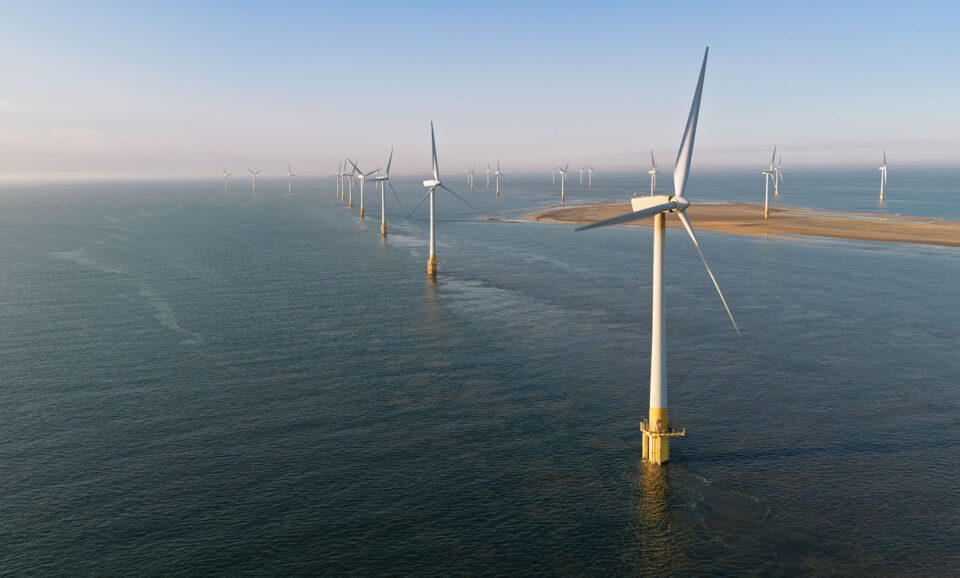
We cannot allow idiocracy to drive policy, and encouragingly the key players in Ireland’s energy sector can see this. In this magazine, we hear from experts about both the challenges and solutions to hydrogen, solar, biomethane, offshore, and onshore wind, as well as a case for small modular reactors. We also hear from both of our country’s energy ministers, with both encouragingly committed to continuing the energy transition.
Our cover story with ElectroRoute co-CEOs Donal Flynn and Catherine Giblin focuses on the potential of trading in Ireland’s energy transition, as well as the long-term future of storage technology.
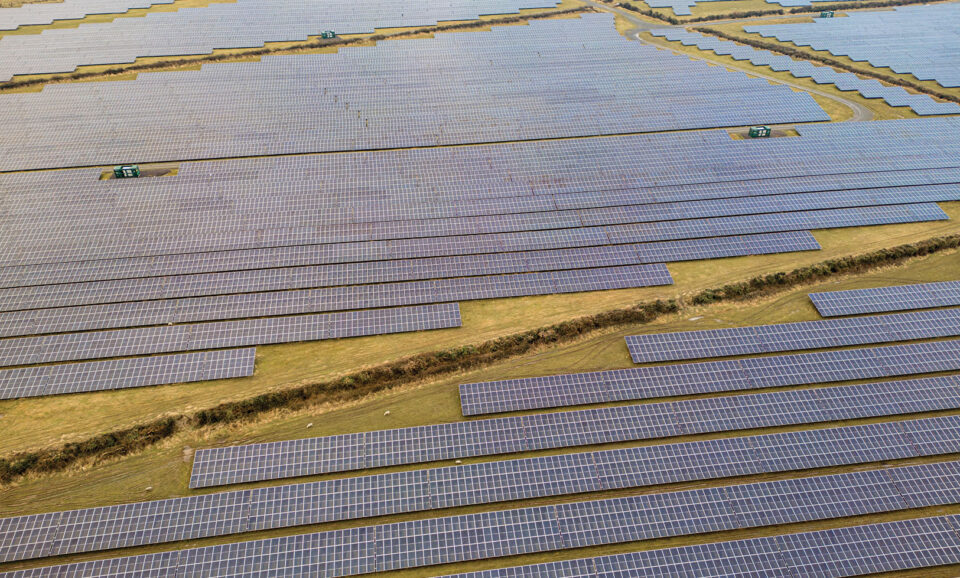
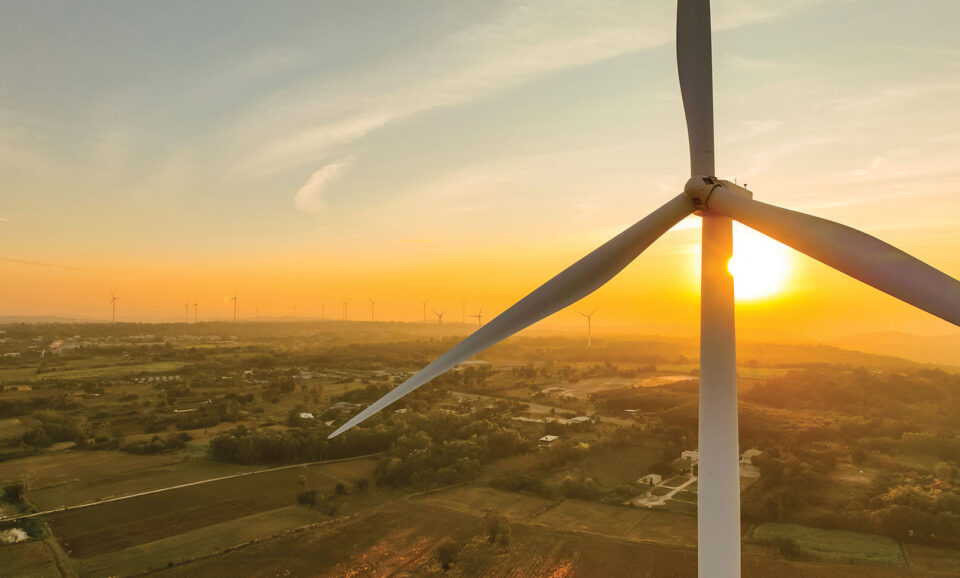
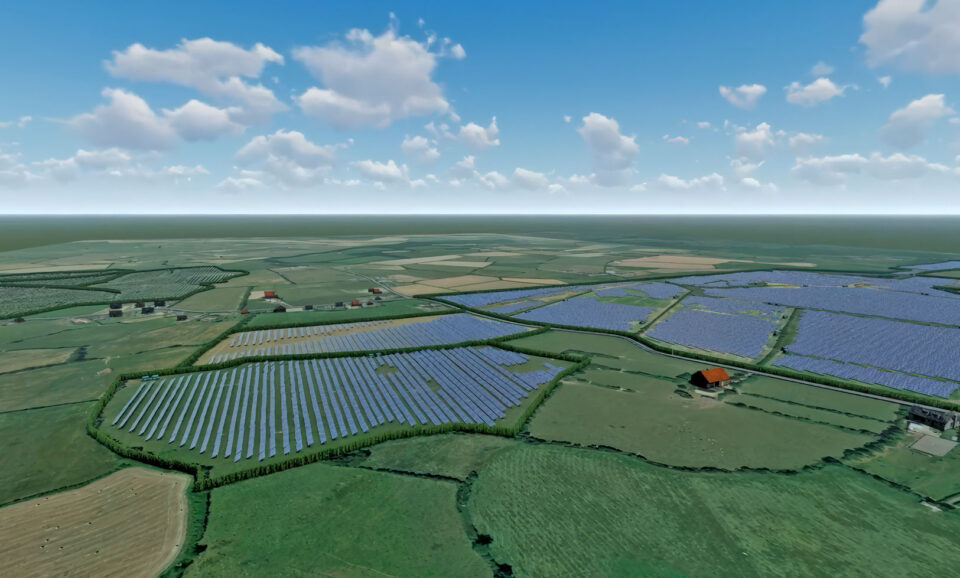
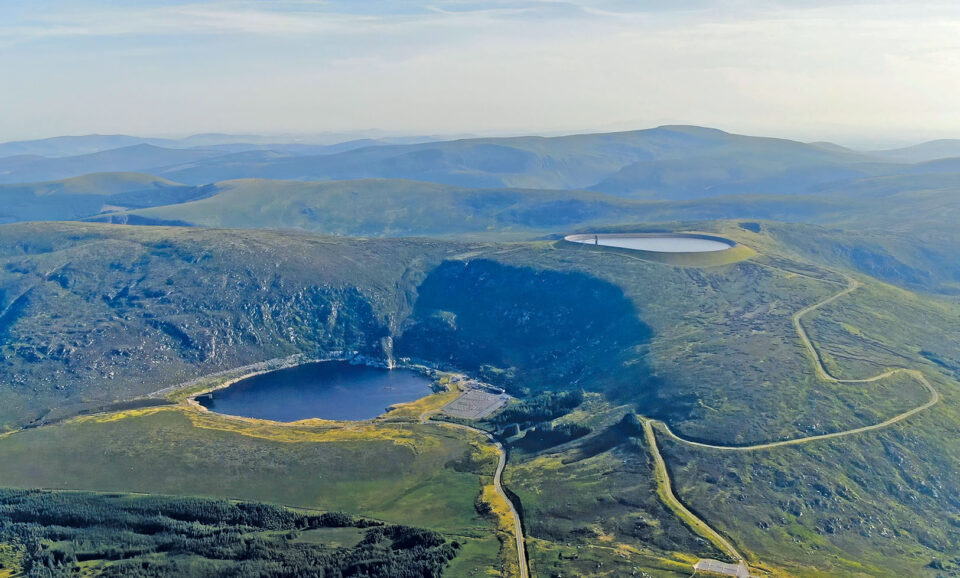
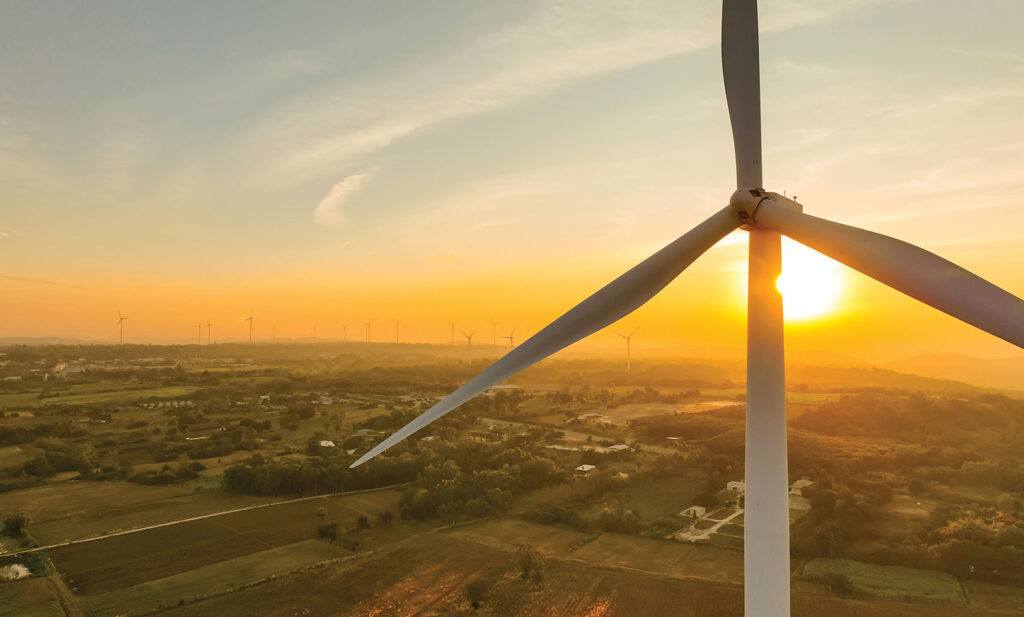
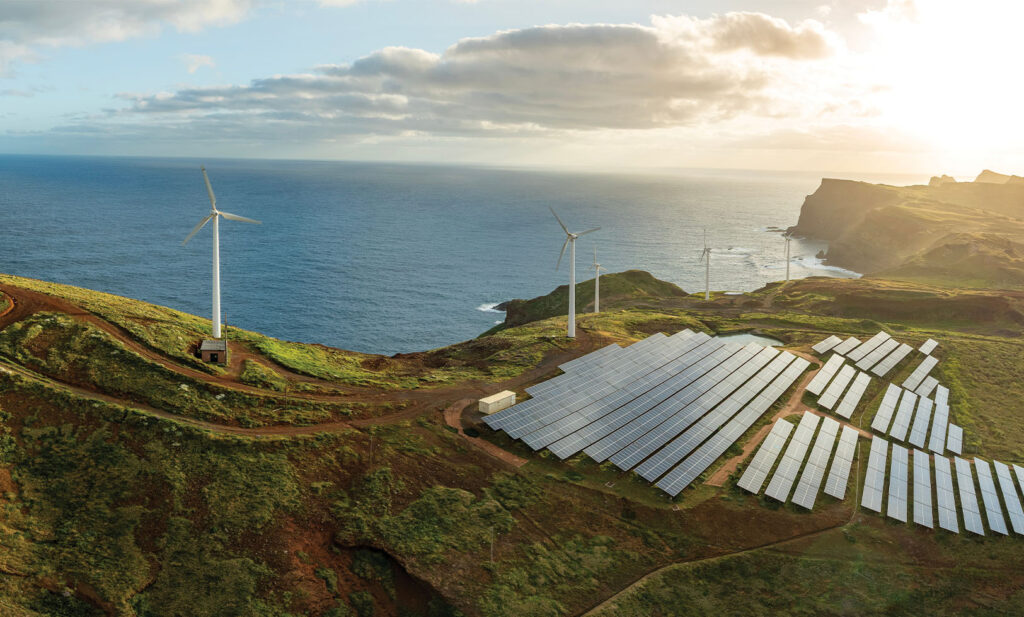
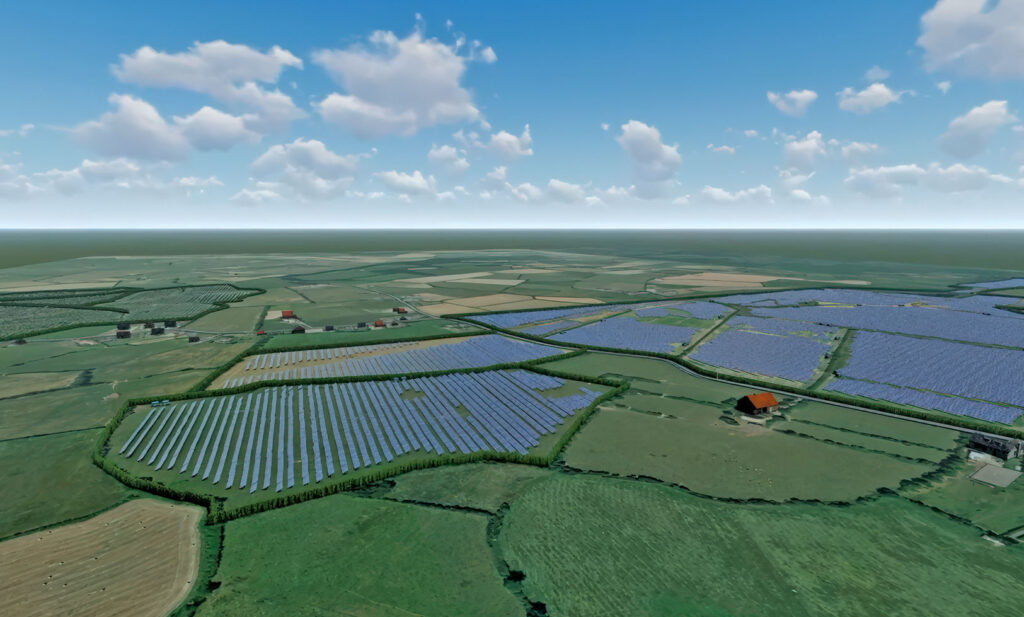
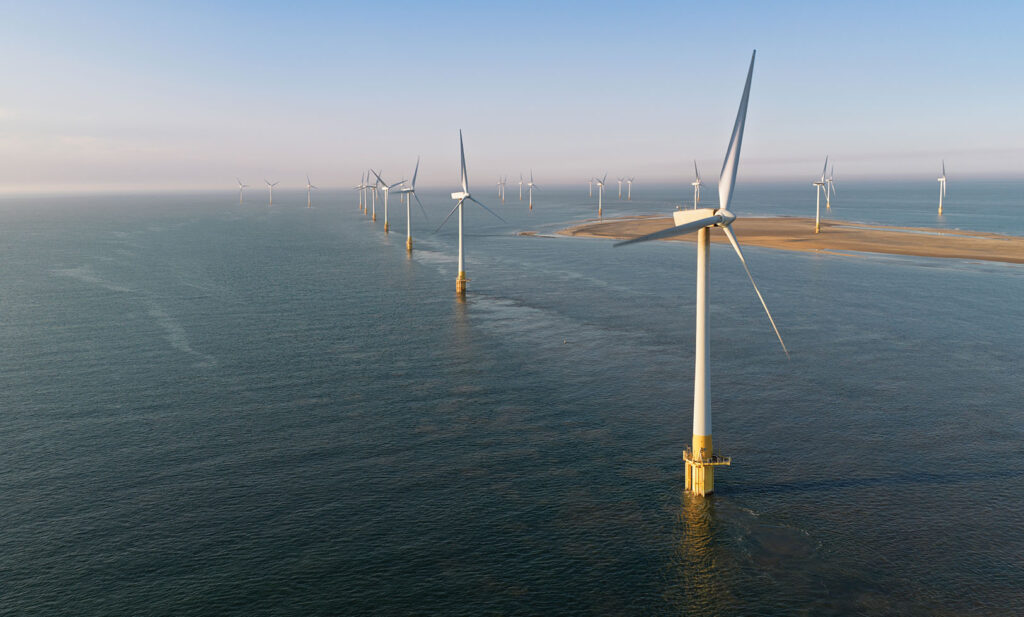
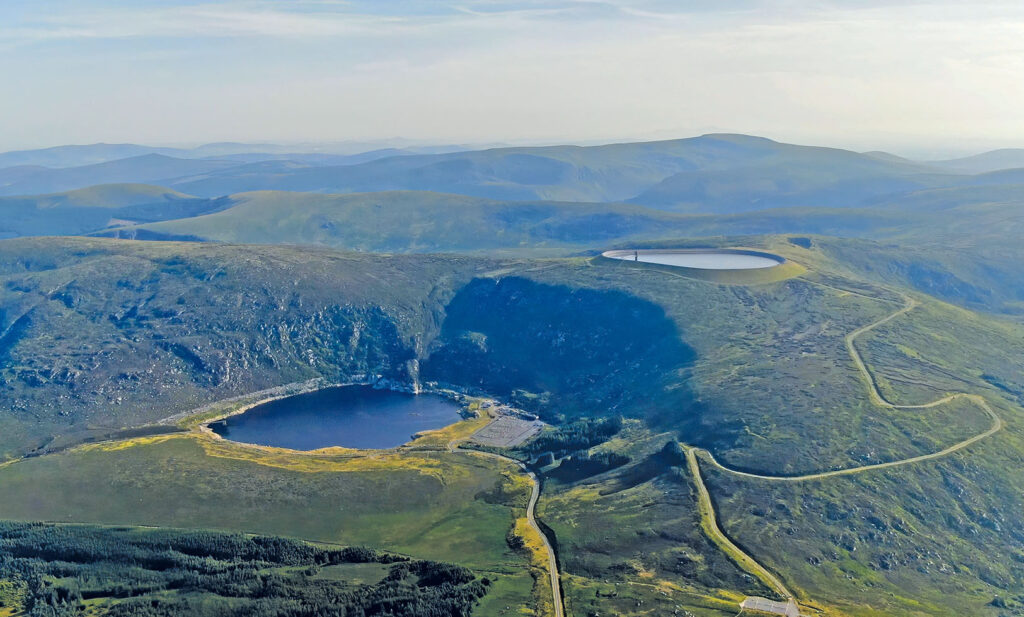
There are promising signs with onshore wind and solar development, and even incremental progress on pump storage. In 2025, onshore wind accounted for 32 per cent of Ireland’s electricity supply, while solar PV generation increased by 50 per cent to 1.65TWh. But we need to go much further and much faster. We cannot just accept that we will not meet our 2030 offshore wind targets; we have to make every effort to at least close the gap.
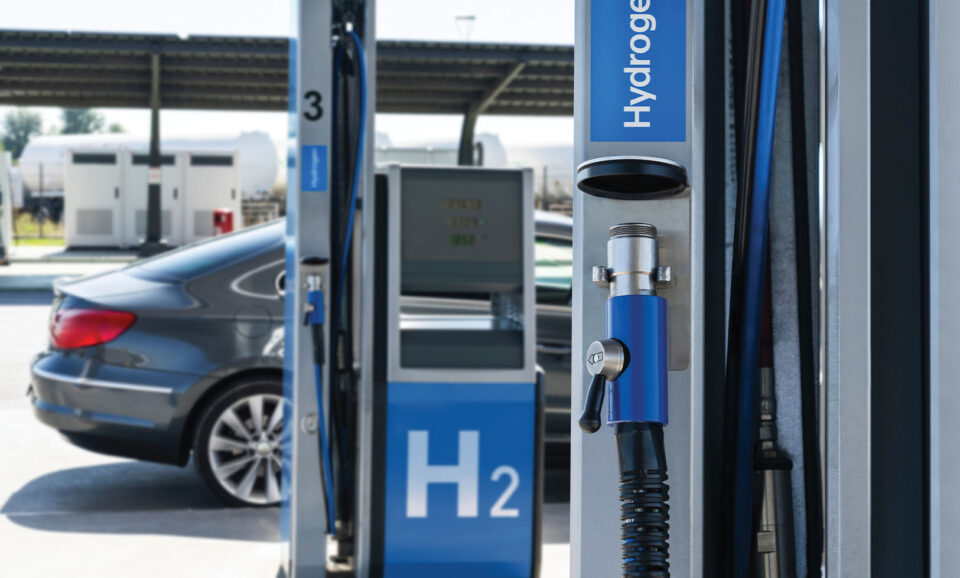
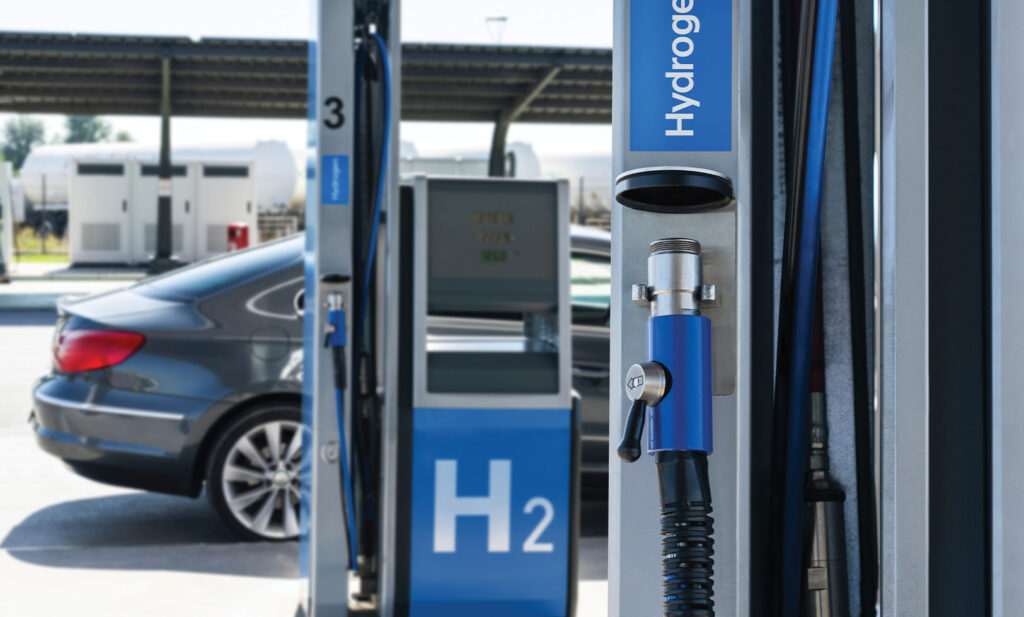
The conversation around hydrogen development also needs new impetus. The promise of the publication of the National Hydrogen Strategy feels like a distant memory. Ireland still gets almost 80 per cent of its total energy from fossil fuels, underlining the scale of the transition ahead.
The energy transition is under threat from misinformation, but we must hold firm and stay the course. The future of our planet, affordability for all our people, and ending reliance on the good will of Washington, Moscow, and Tel Aviv for our energy security depends on it.
Joshua Murray