Biomethane target ‘could cut farm inequality’
14th October 2026
Ireland’s energy transition: Past and future
14th October 2026Offaly leading the way in renewables and biodiversity
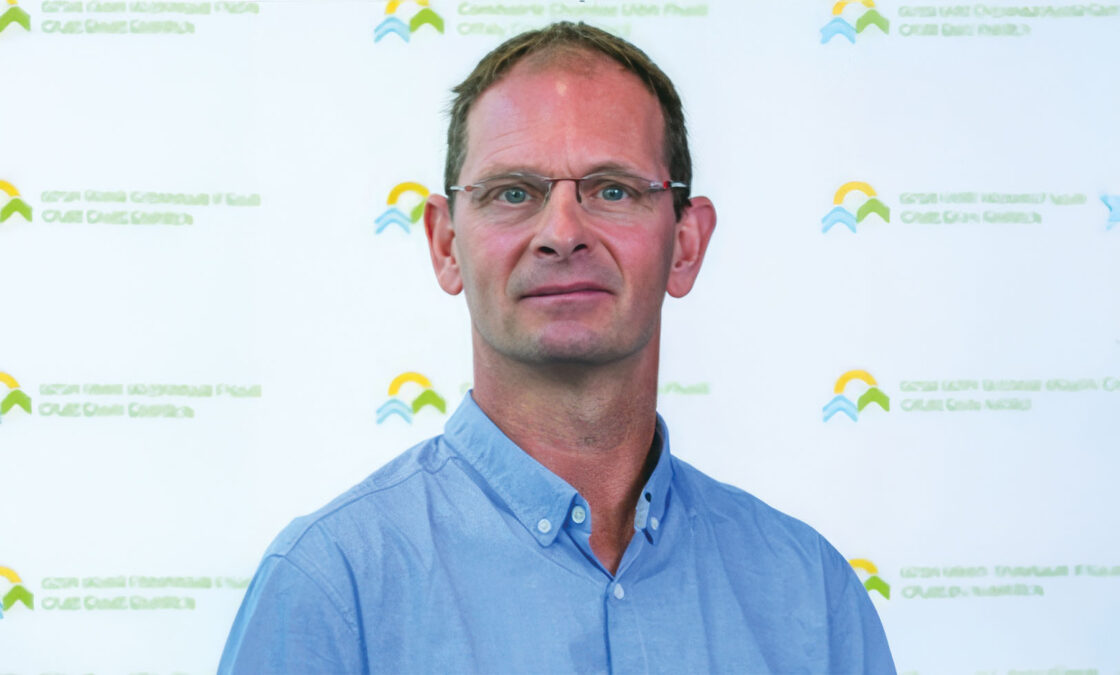
Andrew Murray
Offaly is leading in Ireland’s net zero ambition, protecting communities and responding to the biodiversity crisis, according to Andrew Murray, Director of Services, Offaly County Council.
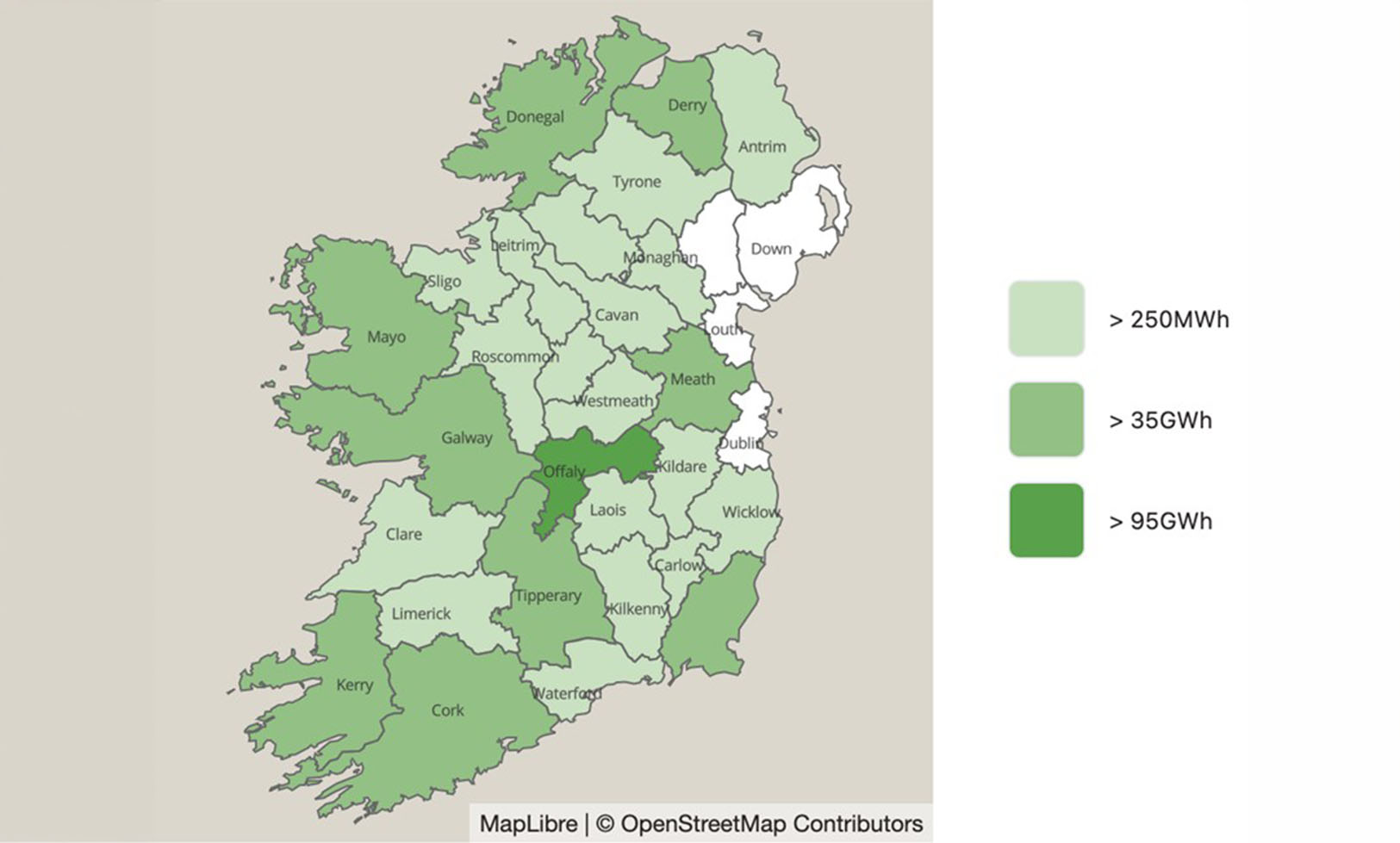
Offaly was the number one producer of renewable electricity nationally in January, March, May, June, and August 2026. Credit: Currents newsletter by Green Energy Collective, based on Eirgrid and SEMO data.
Offaly is a national leader in renewable electricity generation. Having had a long tradition of peat-fired power generation and a strong electricity grid network, the county has transformed from having a zero renewables base only 12 years ago. According to Currents newsletter by Green Energy Collective, the county was Ireland’s number one producer of renewable electricity in January, March, May, June, and August 2026. This position is driven by nine operational wind farms, with a combined capacity of approximately 520MW and the 120MW Edenderry biomass plant, while grid-scale solar deployment gathers pace.
It is envisaged that growth in renewables will continue. Four additional wind farms are currently before An Coimisiún Pleanála, with five more projects at pre-planning stage. Together these could deliver over 1GW of electricity. Approximately 23 solar projects are proposed, permitted, or under construction, representing around 1.1GW of capacity.
“Having regard to the likely lead time for offshore wind and Offaly’s renewables pipeline, it is predicted that this position as a renewables leader will be retained well into the next decade,” says Andrew Murray.
While not all energy sources operate simultaneously or at full capacity, Offaly’s 2GW renewables ‘pipeline’, combined with a similar ‘pipeline’ of conventional generation, storage, hydrogen projects, CO2 battery technology, and synchronous condensers should be considered against Ireland’s peak electricity demand of approximately 6GW.
Plan-led and strategic vision
Offaly’s renewable energy success has been strategic, plan-led, and grounded in a sense of a ‘reasonable balance’. The 2009-2014 Wind Energy Strategy identified two strategic areas for wind energy development at a time when focus was on the western seaboard. The county’s first wind farm at Mountlucas was energised in 2014. Since 2024, over 300MW of wind generation has been installed.
The wind energy target in the current County Development Plan 2021-2027 was exceeded by approximately 15 per cent, some 18 months before its expiry and the solar target is expected to be comfortably exceeded. “To date, our plan-led approach, endorsed through three successive County Development Plans, has proven successful. An Coimisiún Pleanála’s decisions have aligned with the provisions of our plan,” Murray states.
Delivering on national targets
Offaly’s wind energy pipeline represents approximately 11 per cent of Ireland’s 9GW onshore wind target and approximately 40 per cent of the target for the Eastern and Midlands Region set under the National Planning Framework, first revision 2025. For solar energy, the figures are approximately 14 per cent of the national 8GW target and 30 per cent of the regional target.
However, a significant national challenge remains. According to Murray: “To achieve carbon neutrality by 2050, substantial additional renewable energy will be required. However, there is no clear national figure in GW against which to plan to 2050 and allocate reasonable targets to counties.”
Offaly believes that the forthcoming Regional Renewable Energy Strategies (RRES) should be developed within a clearly defined national trajectory to 2050. “It is imperative that these targets will recognise the substantial contribution already made by certain counties,” Murray says.
Achieving this will require collaboration between the Regional Assemblies and equitable allocations reflecting both capacity and environmental considerations.
“Offaly’s stance on this is consistent with the county’s strategic objectives of balancing the net zero ambition with securing economic and social dividends for Offaly’s citizens, together with proactively managing the biodiversity crisis,” says Eoghan Ryan.
Securing the economic dividend
Orla Martin, Head of Enterprise with the council says it is vital to build on this success.
“At the heart of Offaly’s strategy is a determination to convert its energy advantage into lasting social and economic benefits, creating employment opportunities and attracting investment,” she says.
Supporting this goal, the Council commissioned studies on eco-industrial parks, renewable energy and hydrogen integration, large energy and data-centre opportunities.
“These reports send a clear message to potential investors that Offaly is committed to future-proofing its economy while driving, and benefiting from, the energy transition,” Martin says. Offaly also incorporated the concept of Green Energy Parks into the County Development Plan in 2021.
These initiatives are delivering results. The Rhode Green Energy Park, owned by the North Offaly Development Fund, has helped attract interest in a significant adjacent Eco Energy Park proposed by BnM, with Amazon Web Services identified as a potential anchor investor.
“While, of course, the planning system has to ultimately decide on developments, the fact that multinationals such as AWS have expressed an interest in the county is very promising,” says Ryan.
Similarly, partnerships involving Google, Lumcloon Energy, South Korea’s Hanwha Energy and KEPCO delivering battery and CO2 storage and super-capacitor technologies highlight Offaly’s growing appeal as a clean-energy hub and a destination for investment where renewable energy is a key consideration.
“While we recognise that many of these developments do not create significant additional jobs, we are mindful of the Government’s position that the ICT sector, AI, and data centres are a vital part of Ireland’s industrial base. For many large developments, grid security and access to local clean energy are key considerations and we want to play a major role in that,” adds Ryan.
The Council stresses that opportunities extend beyond data centres. Next-generation manufacturing, logistics, food processing and other energy-intensive industries could also benefit from Offaly’s combination of available land, clean energy, strong grid infrastructure, water resources, and a skilled workforce. Crucially, the Council’s proactive STEM programme engages over 3,000 students and 250 teachers annually, equipping the next generation with the skills required for future careers.
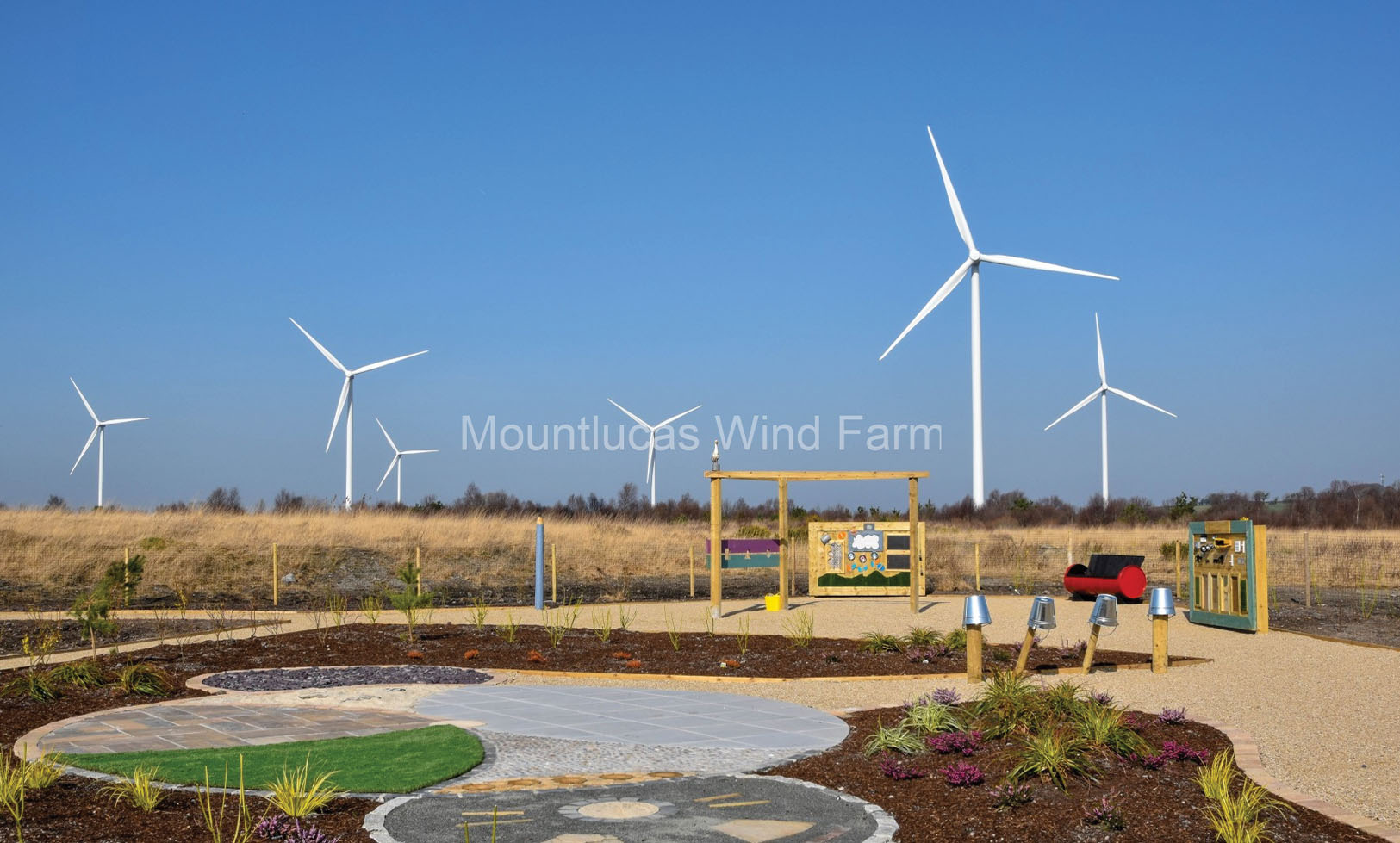
At Offaly County Council’s request during the planning process, Bord na Móna developed a 10km amenity trail network at its Mount Lucas Wind Farm, which has since grown to include a Learning Hub, sensory space, and weekly parkrun.
Host communities and legacy projects
Murray acknowledges that while citizens support both climate action and economic development, communities must feel that they are benefiting from the transition. “Communities in Offaly are ‘hosting’ a significant number of large energy projects. We must not forget that. Our communities need to be protected and developed. Many experienced substantial job losses when peat-fired electricity generation ended in 2020, some seven to 10 years earlier than expected.”
The county has already demonstrated an appetite for innovation. Working with EnergyCloud Ireland, AWS, ESB, and EirGrid, excess renewable electricity is converted into free hot water for social housing residents within the Tullamore Decarbonisation Zone, helping to tackle energy poverty.
In another significant initiative, the council commissioned a study by consultants BDO to develop a model whereby community benefit funding from Renewable Electricity Support Scheme (RESS) projects can be ‘pooled’ and administered through an independent, community-led company. The objective is to support large-scale and ‘legacy’ projects while still retaining the smaller grant schemes typically associated with these schemes. According to Murray the council’s executive recognised some years ago that there could be up to 25 RESS-supported projects in Offaly over the next 20 years “and we felt compelled to ensure that ‘legacy’ projects are delivered for communities”.
A ‘reasonable balance’
Since its first Wind Energy Strategy in 2009, Offaly’s approach has been guided by the objective of achieving a ‘reasonable balance’ between renewables and environmental protection, as set out in objective CAEO 03 of the County Development Plan. This concept was drawn from the Government’s 2006 Wind Energy Guidelines and has remained central to three successive County Development Plans.
This fundamental principle has become increasingly important as Offaly seeks to balance its renewable energy success with biodiversity, heritage, landscape, tourism, and community objectives. In 2021, the council introduced, and in 2026 strengthened, provisions relating to two Peatland and Nature corridors, located within areas otherwise open to wind energy development. Murray states: “These corridor areas are significant and necessary in the wider context of the county’s substantial renewable energy pipeline and the sustainable and balanced future growth of the county.”
The Corridors are intended to provide a strategic counterbalance to renewable energy development while supporting biodiversity restoration, recreation, active travel, and tourism objectives.
“We really need to do this while remaining firmly focused on delivering the country’s Climate Action Plan. We believe our record shows that we can. Offaly has many objectives beyond renewable energy, and it all comes back to achieving a ‘reasonable balance’. We must remember that on the same day Dáil Éireann declared a climate emergency, a biodiversity crisis was also declared,” states Murray.
Ryan views these corridors as particularly relevant in the context of the EU Biodiversity Strategy and the Nature Restoration Regulation. “The Peatland and Nature Corridors recognise the biodiversity significance of post-industrial cutaway bogs for biodiversity in an evolving mosaic of habitats that are tailor-made for these Regulations,” he says.
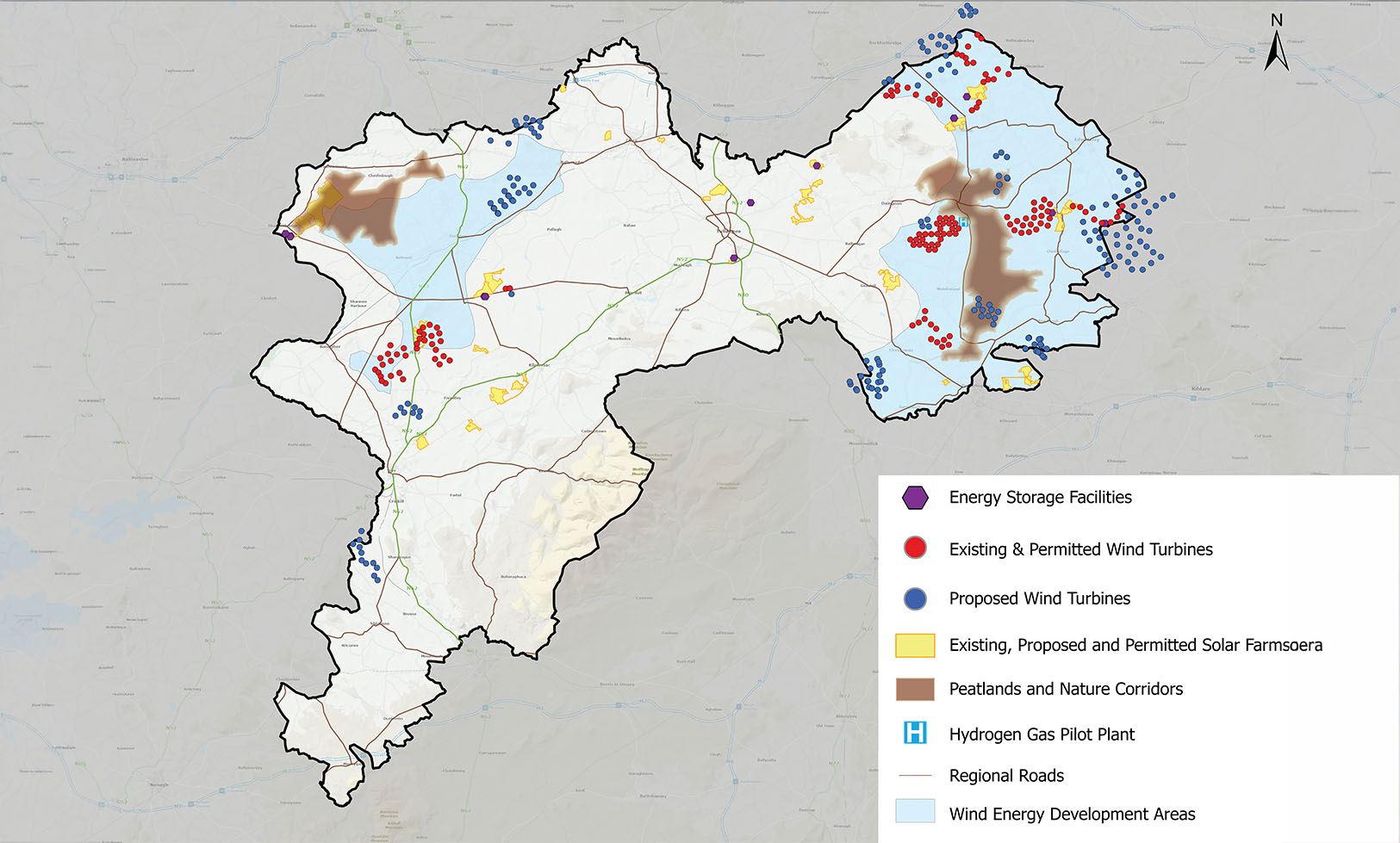
Offaly’s current ‘pipeline’ of renewable and other energy developments, its Wind Energy Development Areas and its Peatland and Nature Corridors.
The corridors are also expected to enhance visitor experiences linked to ‘peatway’ routes, the Midlands Cycling Destination Offaly routes, walking networks, BnM, and Fáilte Ireland’s Strategic Trails and various tourism initiatives across the county.
These corridors will be an exemplar in balancing renewable energy success with landscape protection and restoration, biodiversity, amenity and community development, working in tandem with Offaly’s ~2GW renewables pipeline and its approach to achieve a reasonable balance, in place since 2009.
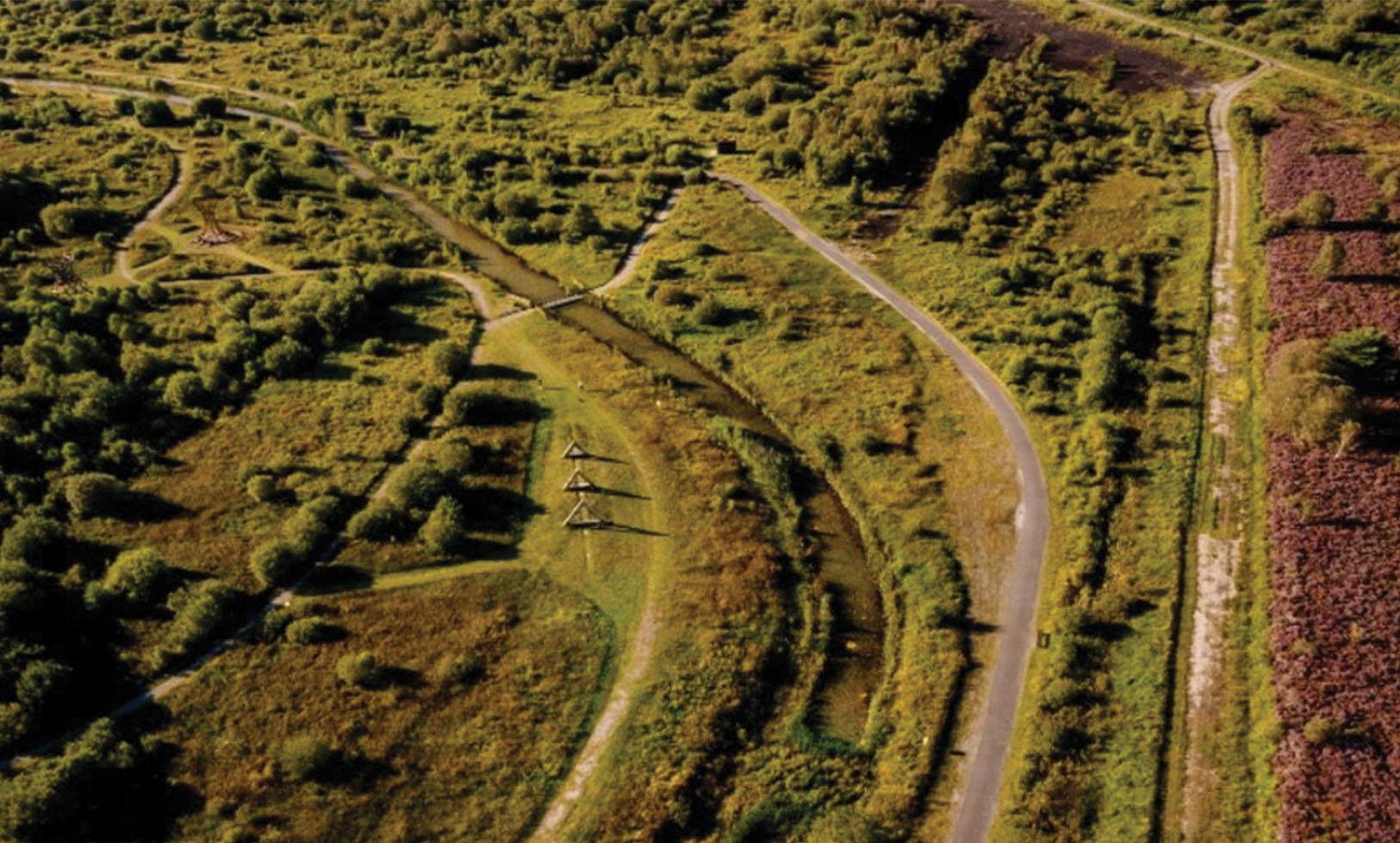
Lough Boora Discovery Park, County Offaly is an example of a regenerative cutaway bog which has become an attractive landscape asset, delivering nature restoration, recreation, and climate benefits.
RED III and renewables acceleration
Looking ahead, Offaly believes its substantial renewable energy contribution must be recognised when decisions are being made on renewable acceleration areas under RED III. “In truth, with a ~2GW renewables ‘pipeline’, we are already an exemplar,” says Murray.
He adds: “However, there must be a strong sense of balance in how RED III allocations are allocated to the county under the Regional Renewable Energy Strategy (RRES) for the EMRA region. On its current trajectory, Offaly is likely to account for approximately 40 per cent of the entire NPF/EMRA target for wind energy to 2030. Increasing this through the RRES would be a retrograde step away from Offaly’s approach since 2009; would be inequitable; would be contrary to the principles of the Just Transition; and would compromise the achievement of other council objectives.”
The Council asserts that its record demonstrates strong support for renewable energy, delivered through a carefully managed and balanced planning framework.
Murray concludes: “I am satisfied that our approach remains consistent with the Climate Action and Low Carbon Development Act. Offaly exceeded the County Development Plan 2021-2027 target of 466MW in early 2026 and is also expected to exceed its solar energy target. I am confident that our next county development plan can continue this positive and balanced approach in response to the climate crisis, while also having due regard to the needs of our communities, the landscape, nature conservation, and biodiversity.”
Offaly’s experience demonstrates that ambitious climate action, economic development, community benefit and environmental stewardship are not mutually exclusive. The county’s challenge is to maintain that balance while continuing to make an exceptional contribution to Ireland’s renewable energy future.