
Scaling solar for Ireland’s energy transition: Sigenergy’s next phase in utility-scale innovation
24th March 2026Designing Ireland’s electricity system for the next phase of solar growth
Ireland’s energy system is changing faster than at any point in its history. What was once an emerging technology is now embedded in the core of our electricity system.
That shift changes the conversation. The question is no longer whether solar should contribute. The real question is how we design Ireland’s energy system around its continued growth.
From deployment to design
Solar has moved from marginal to material. It is delivering at scale through utility projects while simultaneously expanding across domestic rooftops, farms and businesses. This dual nature is what makes solar transformative. It generates power centrally and locally. It reduces reliance on imported fossil fuels while lowering demand at source. It reshapes the daily electricity curve and increases the value of flexibility, storage and smarter networks.
Capacity alone, however, is not success. Integration is.
Ireland’s target of 8GW by 2030 cannot be achieved through deployment alone. It requires coordinated planning, grid reinforcement, storage rollout, efficient connection processes and market signals that reward flexibility. A high-solar system must be designed deliberately, not reactively.
A decentralised electricity system
One of the most significant structural changes underway is the normalisation of distributed generation. Homes, schools, farms and businesses are no longer passive consumers of electricity; they are active participants. Rooftop solar reduces daytime grid demand, supports electrification of heat and transport, and strengthens resilience for households and industry.
In a future where electricity demand rises significantly, distributed solar will be a stabilising asset and should be treated as infrastructure rather than novelty. At the same time, large-scale solar continues to demonstrate its ability to deploy quickly and competitively, contributing materially to Ireland’s renewable electricity ambitions. The challenge now is ensuring that planning, networks and market frameworks evolve to support both.
Delivery defines the decade
2030 is not a distant policy horizon. It is a delivery timeline. As solar grows, system questions become more complex: how do we minimise curtailment, accelerate storage deployment, align grid investment with renewable buildout and maintain security of supply while decarbonising at pace?
These are design questions, not technology questions.
Solar has moved from ambition to infrastructure. The focus now must be integration, optimisation and long-term system design.
Energising life
At Solar Ireland, we describe this moment as Energising Life: Decarbonising How We Live. Energy underpins every aspect of modern life – homes, transport, digital infrastructure, agriculture and manufacturing – and designing an electricity system that supports that transformation is the central task of this decade.
This June, Solar Ireland will convene industry leaders, policymakers, regulators and system operators to focus on the practical delivery of that transition. The conversation has moved beyond potential. It is now about implementation at scale. We look forward to continuing that discussion at our annual conference as we work together to build generation for generations.
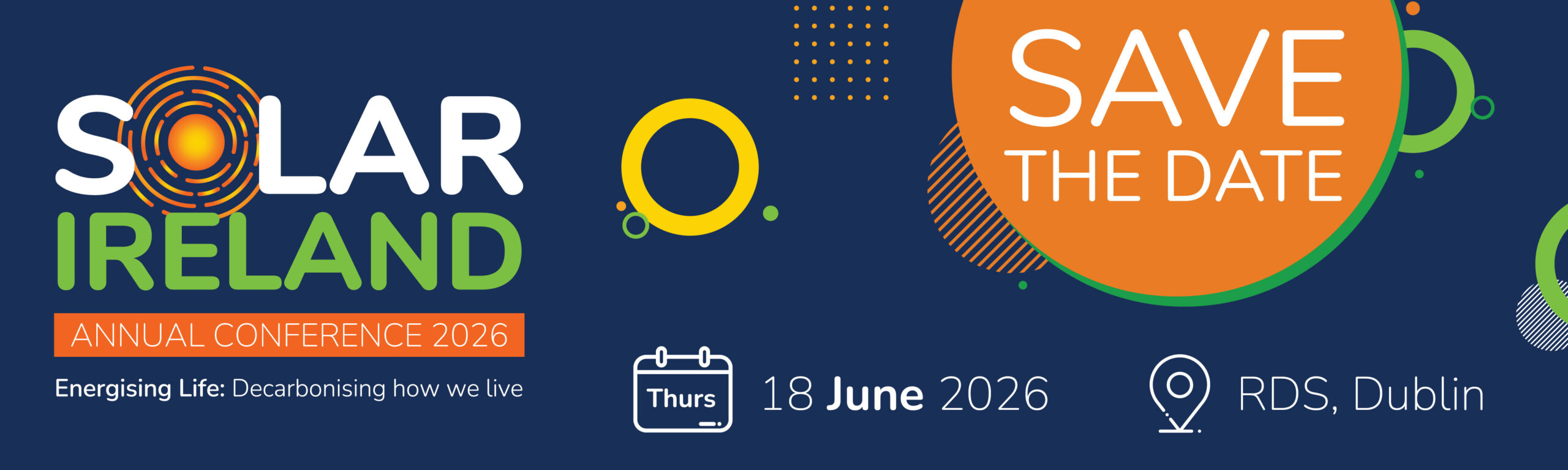
Solar Ireland Annual Conference 2026
Energising Life: Decarbonising How We Live
18th June 2026, RDS, Dublin
Industry leaders, policymakers and system operators will convene to focus on delivering Ireland’s next phase of solar integration and electricity system design.
Programme and registration: www.solarirelandconference.ie
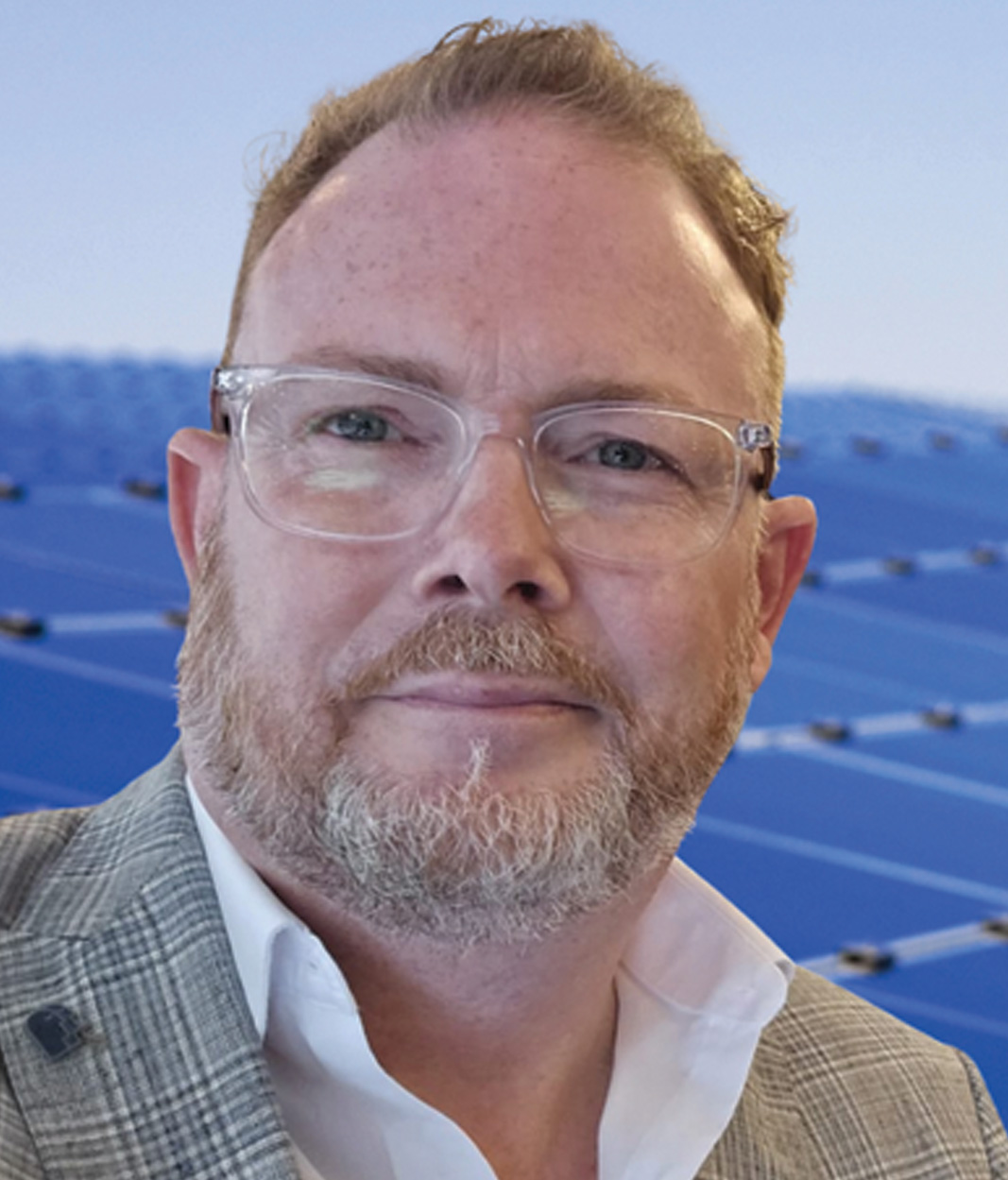
Ronan Power
CEO
Solar Ireland