
Building Ireland’s heat future through district heating
13th October 2026
The next phase of Europe’s clean energy transition
13th October 2026Engineering tomorrow’s energy infrastructure: Coffey’s growth journey
Ireland has no shortage of renewable energy ambition. From offshore wind and grid reinforcement to renewable gas and battery storage, significant targets and investment plans are driving the development of new energy infrastructure, writes John Gibbons, Energy Director at Coffey.

The challenge is turning that ambition into operational assets. For companies working across the energy sector, delivering projects is rarely just about the technology itself. Success depends on integrating civil engineering, mechanical systems, electrical infrastructure, and utility networks into assets that can be built, commissioned, and operated safely.
Coffey, an engineering and infrastructure contractor operating across Ireland and the UK, is seeing this challenge firsthand through its involvement in renewable gas, grid infrastructure, and wider energy projects. Delivering modern energy infrastructure increasingly requires these requirements to be considered together from the outset, rather than addressed as separate workstreams later in the project.
As Ireland accelerates the deployment of low-carbon infrastructure, managing these interfaces becomes increasingly important. Renewable energy projects must interact with existing electricity, gas, water, and transport networks, often while designs continue to evolve and construction progresses. For developers and delivery partners, maintaining programme certainty depends on managing those connections effectively.
From ambition to delivery
Biomethane provides a clear example of the infrastructure challenge. Ireland’s National Biomethane Strategy targets 5.7TWh of indigenous biomethane production by 2030.
While anaerobic digestion technology sits at the heart of biomethane production, delivering facilities at scale requires considerably more than process equipment. Civil infrastructure, mechanical and electrical installation, storage facilities, and utility connections must all be integrated within a coherent delivery programme.
The engineering challenge frequently emerges where those elements meet. Process equipment must be coordinated with foundations and structures. Mechanical and electrical systems must support safe and reliable plant operation. Underground services have to be planned around structures and equipment, while utility infrastructure must connect the facility to existing networks and accommodate its operational requirements.
These challenges are not unique to biomethane. Battery energy storage, renewable electricity generation, and grid infrastructure create their own combinations of civil, electrical, mechanical, and utility requirements. As projects increase in scale and complexity, the ability to identify and manage these dependencies early becomes an important factor in buildability, programme certainty, and commissioning.
Little Island: integrating infrastructure and process
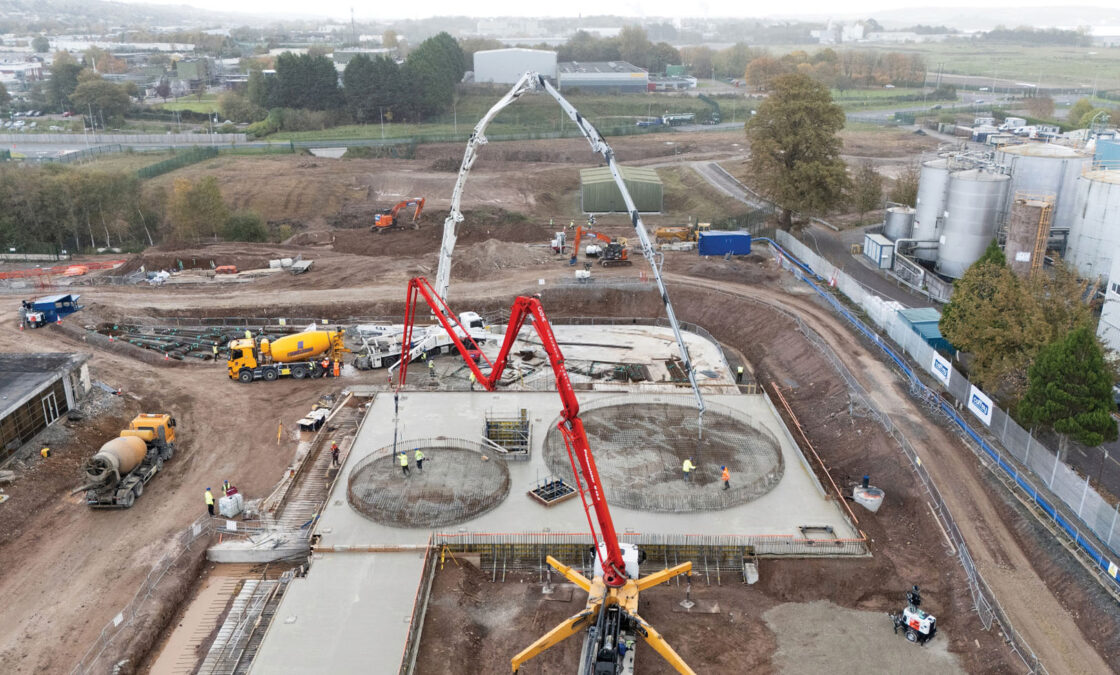
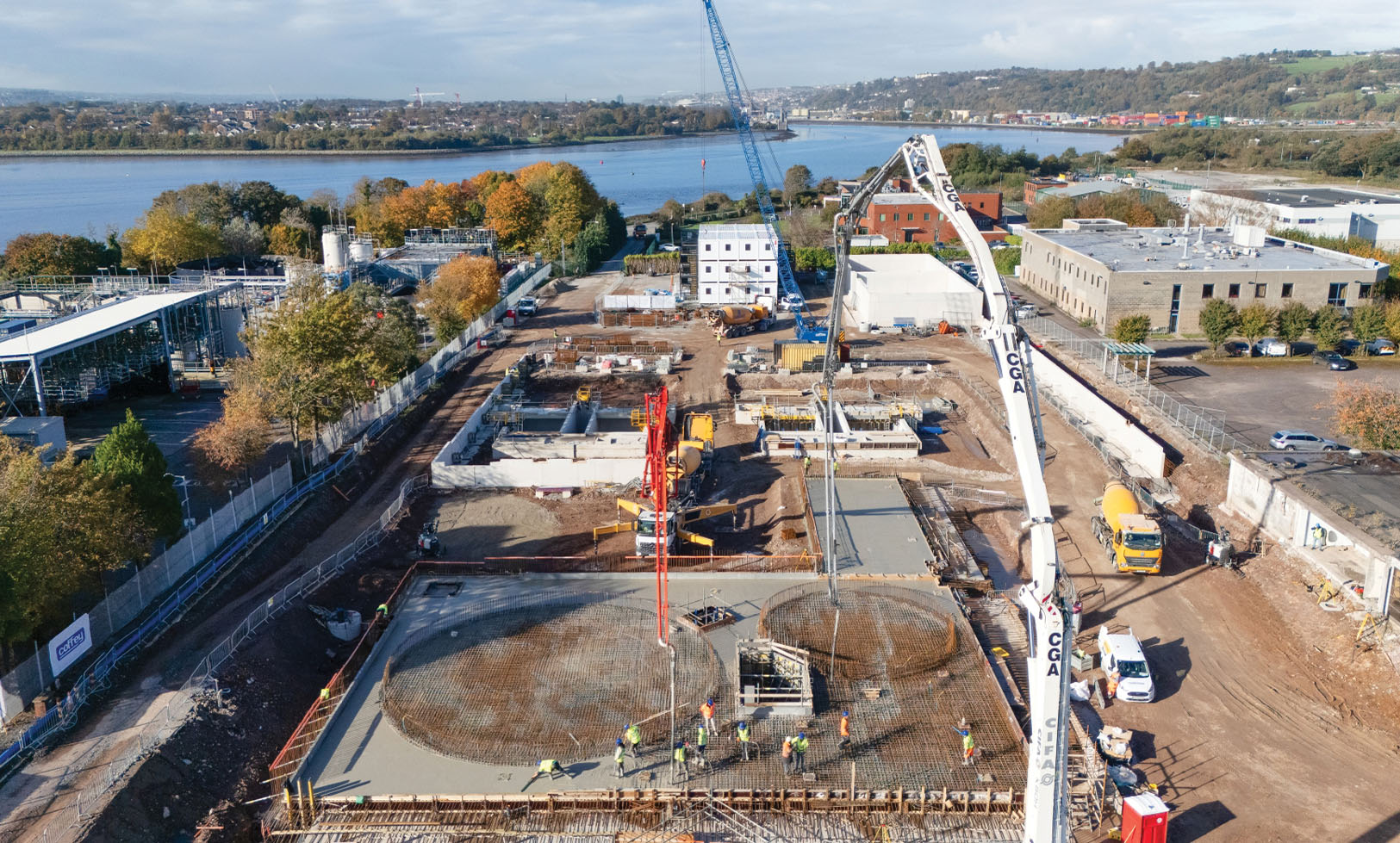
Stream BioEnergy’s biomethane facility at Little Island, Cork, illustrates how these different requirements come together on a major energy project.
Being delivered through an EPC partnership between Coffey and Kanadevia Inova, the project is expected to become Ireland’s largest food and garden waste biomethane facility when operational. It combines process technology, civil engineering, mechanical installation, and utility infrastructure within a single delivery programme.
When operational in 2027, the plant will process 90,000 tonnes of domestic and commercial food and garden waste annually and deliver more than 80GWh of renewable biomethane each year to Ireland’s national gas network. It is also expected to reduce greenhouse gas emissions by 40,000 tCO2e annually while producing sustainable biofertilisers through the recycling of nutrients from food waste.
The figures demonstrate the scale of the facility, but from a delivery perspective its complexity is equally significant.
Alongside substantial civil and building works, Coffey’s scope extends to key mechanical installation packages, including balance-of-plant equipment, CHP systems, biogas storage infrastructure, and associated process equipment required for the facility’s operation.
That breadth of scope creates dependencies across the project. Foundations and structures have to reflect equipment requirements; underground services have to be coordinated with construction and installation activities; and mechanical, electrical, and process systems ultimately have to operate as parts of the same facility.
The lesson is that individual packages cannot be designed or delivered entirely in isolation. Decisions made within one discipline can influence construction sequencing, access, installation methodology, and commissioning elsewhere in the programme.
Designing for construction
This is why constructability needs to be considered while energy infrastructure is being designed, rather than after design decisions have been fixed.
On a complex project such as Little Island, civil, mechanical, electrical, process, and utility requirements develop in parallel. Equipment specifications can influence foundations and supporting structures, while the location of underground services can affect subsequent construction and installation activities. Changes in one area therefore have the potential to create consequences elsewhere.
Managing that complexity requires close coordination between project partners, designers, utility providers, and specialist subcontractors as design and construction progress.
The objective is not simply greater collaboration for its own sake. Earlier consideration of construction methodology, sequencing, temporary works, access, and installation requirements can identify potential conflicts before they reach site. It can also help align engineering, procurement, and construction decisions with commissioning requirements and the overall programme.
The same principle applies across the energy sector. A battery storage facility, grid connection, or renewable generation project may use very different technology from a biomethane plant, but each ultimately depends on physical infrastructure being designed and constructed around the requirements of the energy asset.
Infrastructure as an enabler of transition
Ireland’s renewable energy targets inevitably focus attention on generation capacity, energy output and new technologies. Delivering those ambitions, however, also requires sustained attention to the less visible infrastructure that allows energy assets to function.
That includes foundations and structures, access and drainage, underground utilities, electrical and mechanical infrastructure, and the connections into existing energy and utility networks. None are the defining technology of the energy transition, but shortcomings in any of them can affect whether projects are delivered safely, efficiently, and on programme.
The implications will become more significant as Ireland attempts to deliver a larger pipeline of energy infrastructure simultaneously. Developers and their delivery partners will need to consider not only whether individual technologies perform as intended, but whether projects can be constructed, connected, commissioned, and maintained efficiently within existing infrastructure constraints.
Little Island provides one practical example of that challenge: process technology, civil engineering, mechanical installation, and network infrastructure ultimately have to become one operational asset.
As Ireland moves from renewable energy ambition towards delivery at scale, the ability to manage these connections will become increasingly important. The pace of the transition will depend not only on the technologies Ireland chooses, but on its ability to engineer and construct the infrastructure that allows those technologies to operate.

For further information on Coffey’s work in energy infrastructure, contact John Gibbons, Energy Director, Coffey:
T: +353 86 828 4062
E: jgibbons@coffeygroup.com